CBD Produce UK hemp, lab-tested and traceable.

CBD Produce

UK hemp, lab-tested and traceable.

Latest Articles

Licensed Field, Unproven Bottle: What UK Hemp Cultivation Permissions Do Not Establish
Buyer Guidance

Licensed Field, Unproven Bottle: What UK Hemp Cultivation Permissions Do Not Establish

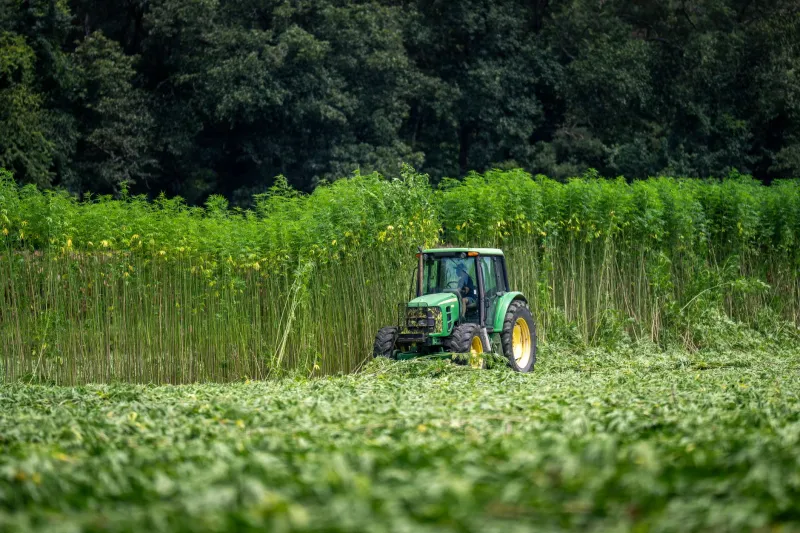
A UK hemp cultivation licence is an agricultural and controlled-drugs permission, not a consumer-product authorisation. This guide separates what the licence confirms from what only novel food status, batch testing and supply-chain records can prove.

The Process Behind the Percentage: Auditing Extraction Claims on UK CBD Packaging
Buyer Guidance

The Process Behind the Percentage: Auditing Extraction Claims on UK CBD Packaging

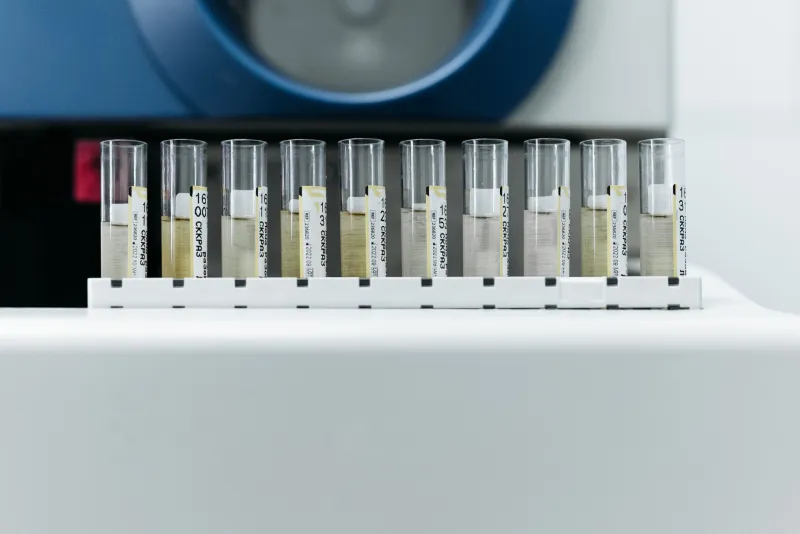
Extraction terms on UK CBD labels often read as quality assurances, yet they describe a manufacturing route rather than a finished-product standard. This guide separates supercritical CO2, ethanol and ‘solvent-free’ claims from the evidence a buyer can reasonably request.

Certifying the Scent: What Terpene Data Can and Cannot Tell UK CBD Buyers
Buyer Guidance

Certifying the Scent: What Terpene Data Can and Cannot Tell UK CBD Buyers

Aroma-led marketing is common in UK CBD, but a certificate of analysis only becomes useful when it states what was tested, how and at what level. This guide explains the evidential value of a terpene panel and the questions buyers should ask before treating a fragrance claim as a specification.

Accredited to What, Exactly? Reading UKAS Scope on a UK CBD Certificate
Regulation & Compliance

Accredited to What, Exactly? Reading UKAS Scope on a UK CBD Certificate

A UKAS mark on a CBD certificate of analysis is often read as a final verdict. It is better understood as a statement about a laboratory's competence for particular methods and materials. This guide explains how UK buyers can check an accredited scope, where accreditation stops short of product assurance, and which questions to ask before relying on a potency or contaminant result in 2026.

The Uniformity Assumption: Interrogating Batch Consistency in UK CBD Products
Buyer Guidance

The Uniformity Assumption: Interrogating Batch Consistency in UK CBD Products

A batch code implies a single production run and a single strength, but filling-line splits, tank stratification and sub-lot sampling can leave bottles under one code with different CBD levels. This guide explains how UK buyers can test that assumption before they buy.

Before the Beaker: The Sampling Decisions That Shape a UK CBD Certificate
Buyer Guidance

Before the Beaker: The Sampling Decisions That Shape a UK CBD Certificate

A certificate of analysis is often treated as the final word on a CBD batch, but a laboratory only tests the material it receives. This article examines how sampling practice, batch definition and chain of custody determine whether a clean COA represents the bottle on the shelf.

Buyer Guidance

Moisture Behind the Molecule: Reading Water Activity and Mycotoxin Evidence in UK CBD

Potency and pesticide results tend to dominate the conversation about UK CBD quality, but moisture and mould can quietly undermine both. This guide explains why water activity and mycotoxin testing deserve a place on the certificate, and how buyers can interrogate a result that looks clean but leaves the obvious questions unanswered.

The Unlisted Screen: Why Pesticide Residues Need Their Own Line on a UK CBD Certificate
Buyer Guidance

The Unlisted Screen: Why Pesticide Residues Need Their Own Line on a UK CBD Certificate

A reassuring heavy-metal result and a full cannabinoid profile can still leave a central question unanswered: was the hemp screened for pesticide residues? This guide explains why that separate line on a UK CBD certificate matters, how to read a multi-residue panel, and what to ask a producer before treating a COA as complete.

The Millilitre Before the Milligram: How UK Buyers Can Build a CBD Dose They Can Actually Repeat
Buyer Guidance

The Millilitre Before the Milligram: How UK Buyers Can Build a CBD Dose They Can Actually Repeat

A label’s ‘servings per bottle’ figure often rests on an idealised drop that few droppers deliver. This guide sets out the arithmetic UK buyers can use to translate bottle strength and volume into millilitres, and explains why a graduated oral syringe is the more defensible measuring tool.

The Audit Trail Test: Putting a UK CBD Batch Code Through Its Paces
Buyer Guidance

The Audit Trail Test: Putting a UK CBD Batch Code Through Its Paces

A batch code is often treated as a compliance decoration, but it should be the key to a bottle’s production records. This article sets out a practical test for UK shoppers: what a genuine traceability check should reveal, where legitimate limits lie, and how to spot a QR code that leads nowhere useful.

The Medium Matters: How Carrier Oils Shape a UK CBD Tincture
Buyer Guidance

The Medium Matters: How Carrier Oils Shape a UK CBD Tincture

Carrier oils make up most of a CBD tincture, yet UK labels often treat them as a footnote. This guide explains how MCT, olive oil and hemp seed oil affect taste, shelf life, label transparency and realistic absorption expectations, and which details are worth checking before paying a premium.

Buyer Guidance

Soil First, Strength Second: Assessing Heavy-Metal Risk in UK CBD

Potency figures dominate UK CBD marketing, yet lead, cadmium and other heavy metals can travel from field to finished extract. This article explains how soil testing, accredited analytical methods and a careful reading of the certificate of analysis can give buyers a more complete picture of product quality.

The Other Hemp Oil: How UK Shoppers Can Tell Seed Oil from CBD Extract
Buyer Guidance

The Other Hemp Oil: How UK Shoppers Can Tell Seed Oil from CBD Extract

A bottle labelled simply as hemp oil can sit in the nutrition aisle or beside CBD tinctures, yet the two products are not interchangeable. This field guide explains how UK shoppers can use ingredient panels, dosage statements and provenance checks to tell cold-pressed hemp seed oil from CBD extract before buying.

Variety, Not Just Geography: How Certified Hemp Cultivars Underpin UK CBD Consistency
Hemp Production

Variety, Not Just Geography: How Certified Hemp Cultivars Underpin UK CBD Consistency

A UK-grown claim tells the buyer where hemp was cultivated, but not what was cultivated. This analysis examines why the named, certified cultivar is central to cannabinoid consistency, THC compliance and meaningful traceability, and sets out the label questions that turn a variety name into evidence.

The Quiet Decay of Potency: A UK Buyer’s Guide to CBD Storage and Expiry
Buyer Guidance

The Quiet Decay of Potency: A UK Buyer’s Guide to CBD Storage and Expiry

An expiry date on a CBD oil bottle is a claim about the product under specified conditions, not a guarantee under kitchen-shelf conditions. This guide explains how light, heat and oxygen affect potency, what UK brands should disclose about shelf life, and the simple storage mistakes that quietly rewrite the label.

A Place on the List Is Not a Passport: Reading the UK CBD Novel Food Register
Regulation & Compliance

A Place on the List Is Not a Passport: Reading the UK CBD Novel Food Register

A Novel Food listing is a regulatory checkpoint, not a certificate of safety or potency. This explainer shows UK CBD buyers how to read product-specific and ingredient-level entries, and why batch testing and provenance still matter.

The Bottle-Size Illusion: Working Out CBD’s True Cost per Milligram in the UK
Buyer Guidance

The Bottle-Size Illusion: Working Out CBD’s True Cost per Milligram in the UK

Bottle size and headline percentage are poor guides to value. This guide shows UK buyers how to compare CBD oils by lab-confirmed cannabinoid content, serving size and dropper accuracy, with a simple formula and worked examples.

The Clinical Adjective Problem: Reading ‘Pharmacy-Grade’ Claims on UK CBD Products
Buyer Guidance

The Clinical Adjective Problem: Reading ‘Pharmacy-Grade’ Claims on UK CBD Products

‘Pharmacy-grade’ sounds reassuring, but it is not a straightforward legal category for CBD products in the UK. This opinion-led guide explains what the phrase can reasonably suggest, what it cannot prove, and which documents buyers should request instead of relying on the adjective.

Following the UK Hemp Crop: The Handling Decisions That Reach Your CBD Bottle
Hemp Production

Following the UK Hemp Crop: The Handling Decisions That Reach Your CBD Bottle

The quality of a CBD product is often decided long before extraction begins. This article follows UK-grown hemp through harvest, drying, storage, milling, extraction and packaging, highlighting the control points that buyers should ask about when assessing traceability claims.

CBDA, CBD and the Decarboxylation Question: How UK Buyers Should Read Potency
Hemp Production

CBDA, CBD and the Decarboxylation Question: How UK Buyers Should Read Potency

Raw hemp material naturally contains CBDA, while heating converts much of it to CBD through decarboxylation. For UK buyers, the important issue is whether labels and certificates of analysis report both forms clearly, rather than hiding the distinction behind a single total cannabinoid figure.

Recommended

non gamstop casinos UK