The Geography of a CBD Bottle: Farm, Factory and Fill-Site Explained for UK Shoppers
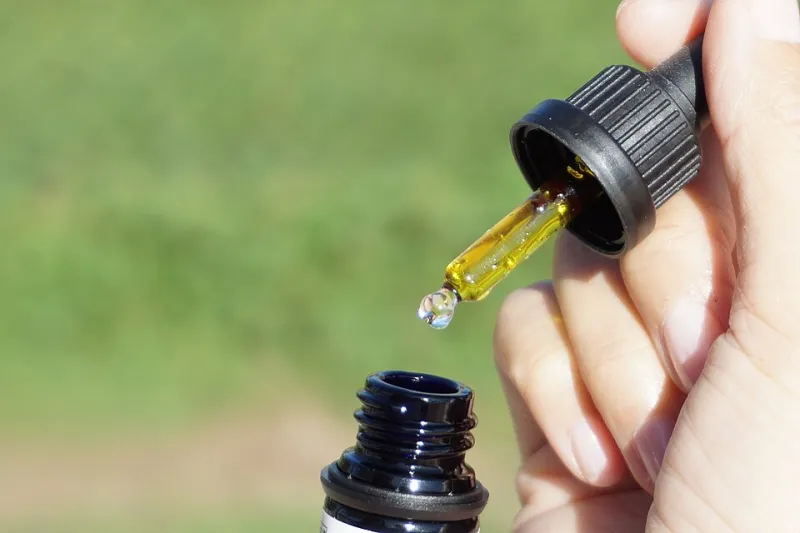
Photo: Elsa Olofsson, CC BY 2.0, via Wikimedia Commons
Origin claims are among the most quietly persuasive words on a CBD label. They suggest a landscape, a standard of husbandry and a short supply chain, and they do so without ever having to say any of those things explicitly. The trouble is that a bottle has a longer biography than a phrase like 'Made in the UK' can carry.
A single product may involve hemp grown in one country, extracted in another, formulated in a third and filled, labelled and dispatched in a fourth. Every one of those steps is a legitimate place to point to. Only one of them is agriculture.
Four Journeys, One Word
It helps to separate the chain into distinct stages.
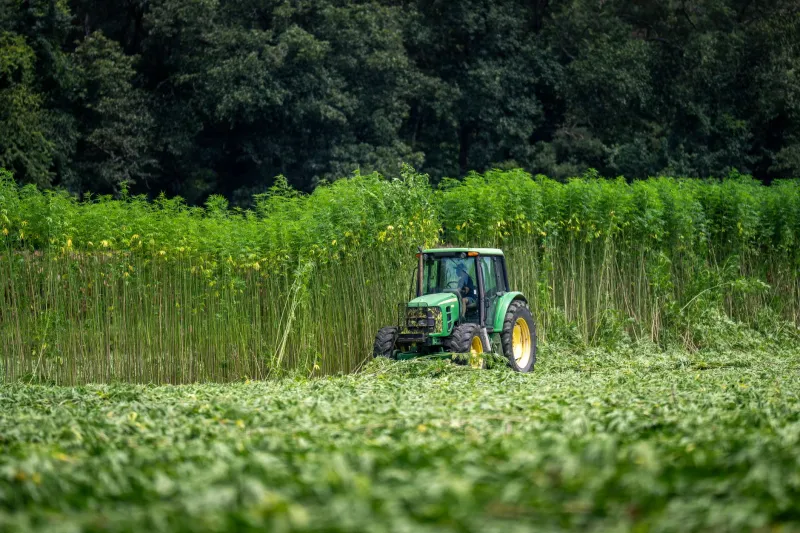
The agricultural origin is where the plant was cultivated. This is the only step that speaks to soil, climate, cultivar selection and growing practice.
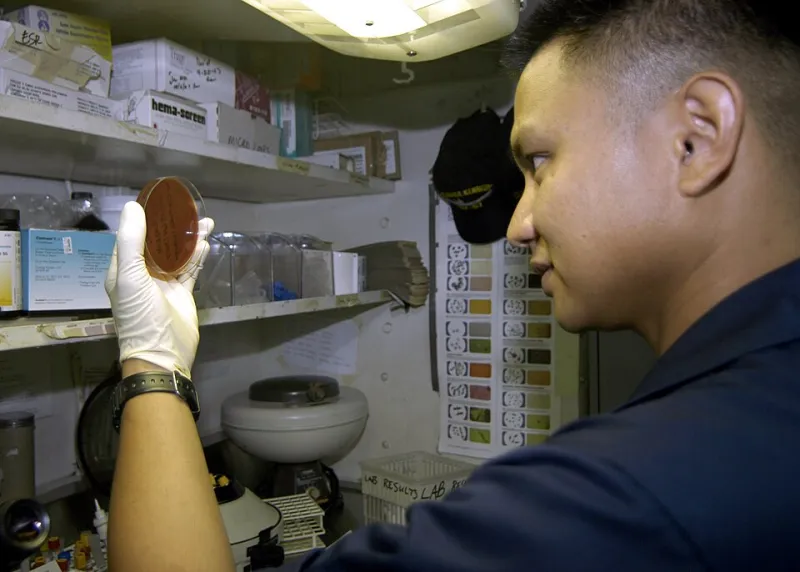
The extraction origin is where the cannabinoids were separated from the plant material. This is a manufacturing step, and it can occur thousands of miles from the field.
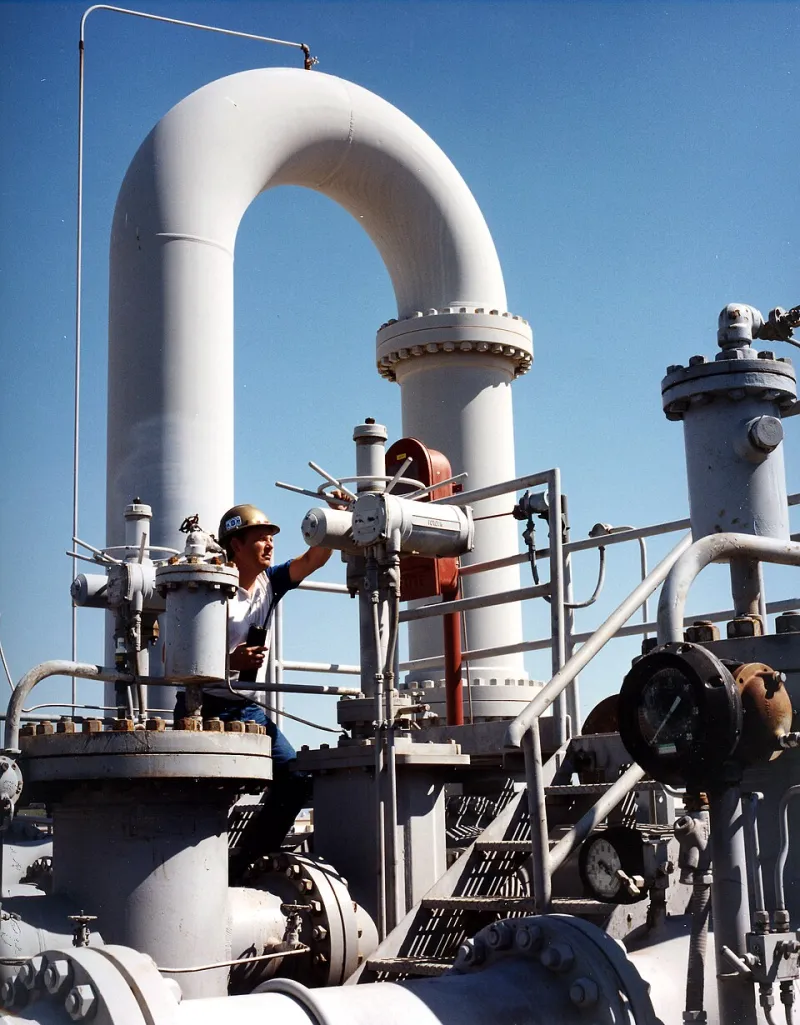
The formulation and fill origin is where the extract was combined with a carrier oil, tested, bottled and labelled. For many UK brands, this is the only stage that happens domestically.
The commercial origin is where the company is registered and where its customer service sits. It is the least meaningful of the four for quality purposes and the most frequently emphasised in marketing.
When a shopper reads 'British', they may be reading any one of these. Often they assume they are reading the first.
What the Rules Actually Address
Non-preferential country-of-origin rules, which apply to goods sold in the UK, turn on where a product was wholly obtained or, where more than one country is involved, where it last underwent substantial transformation. Bottling, labelling and repackaging are generally not regarded as substantial transformation. A product grown and extracted overseas and merely decanted in Britain is unlikely, on that basis alone, to acquire UK origin.
Alongside this sits general consumer protection law. A 'made in' statement must be accurate and must not mislead the average consumer, and Trading Standards and the Competition and Markets Authority have both taken an interest in origin claims that trade on an impression rather than a fact. The principle is straightforward: the claim must reflect the whole of the product, not the most convenient part of it.
Decoding the Common Phrases
'UK hemp' is an agricultural statement. It should mean the plant was grown here. It says nothing about where it was processed.
'Grown in Britain' is the same claim in different clothing, and is subject to the same reading.
'Made in the UK' is a manufacturing claim. It is compatible with imported plant material, provided the transformation here is substantial enough to justify it.
'Packed in Britain' or 'bottled in the UK' is a statement about the final stage only. It is honest, but it is thin.
'British brand' describes a company, not a crop.
'Formulated in the UK' typically means the recipe and the blending happened domestically, with input materials sourced elsewhere.
None of these is deceptive on its face. The difficulty arises when a brand allows a manufacturing claim to do the work of an agricultural one, or when a retailer's own-label range implies a British harvest it cannot document.
Cross-Checking Against the Novel Food Register
A useful independent anchor is the UK novel food authorisation list. Entries attach to specific products, applicants and supply chains, not to a field. Where a product appears on the register, the entry can clarify who is responsible for the authorisation and, by extension, where the substantive manufacturing sits. Where a brand makes much of its British credentials but its authorisation and processing route point elsewhere, that is worth noting, though it is not in itself a criticism: the two facts can be entirely consistent.
A Five-Step Reading Framework
First, find the claim and classify it: agricultural, manufacturing, filling or commercial.
Second, look for a named place rather than a national adjective. A county, a farm or a named facility is harder to arrange loosely than a flag.
Third, check whether the pack distinguishes hemp origin from manufacture. A brand confident in both will usually say so.
Fourth, examine the batch and lot information. A traceable batch code is the mechanism by which any origin claim can actually be verified.
Fifth, if the claim matters to your purchase, ask directly and in writing. A short, specific question tends to produce a short, specific answer.
What Reasonable Evidence Looks Like
A supplier making a UK-grown claim should be able to name the farm or the growers' group, indicate the harvest year and describe the route from field to processor. A supplier making a UK-manufactured claim should be able to name the extraction or fill facility. Neither request is commercially unreasonable; both are the ordinary mechanics of provenance.
Buyers should also be alert to the reverse error: assuming that an imported agricultural origin implies poor quality. It does not. Hemp grown under regulated conditions in other countries can be excellent, and UK cultivation carries its own constraints, not least a short season and a wet autumn. The point is not that British is better. The point is that a claim should mean what it says.
Origin as a Fact, Not a Feeling
Origin claims work because they borrow the credibility of agriculture for a product that is largely manufactured. Separating the two restores a sense of proportion. A bottle that states plainly where the plant was grown, where it was processed and where it was filled is telling a coherent story, and coherence of that kind is a modest but genuine indicator of a supplier that knows its own supply chain.