Licensed Field, Unproven Bottle: What UK Hemp Cultivation Permissions Do Not Establish
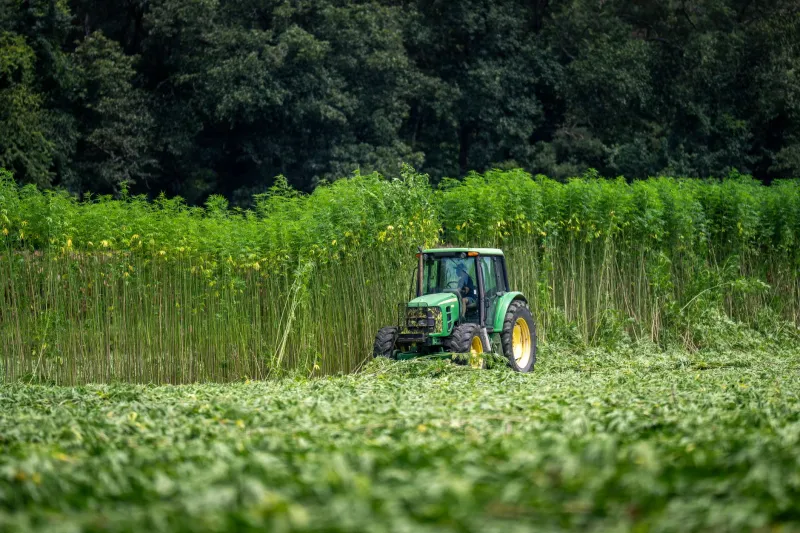
When a UK CBD brand places a hemp cultivation licence number beside photographs of a flowering field, the intended inference is clear: the material came from a lawful, regulated source. That inference is not wrong, but it is narrow. A licence is evidence of permission to conduct a specified activity at a specified place and time. It is not evidence that a finished CBD product may be sold as food, that a particular batch has passed laboratory screening, or that the extract inside the bottle is of consistent quality.
What the licence actually records
An industrial hemp cultivation licence, issued under the UK's controlled-drugs framework, generally records the licensee, the licensed site, the period of validity, the area or purpose of cultivation, and conditions intended to keep the crop within low-THC limits. It allows the holder to cultivate, possess and handle hemp subject to those conditions. It may also cover movement or supply of the raw material within the terms of the licence. For a provenance story, it is useful because it identifies an accountable operator and a real agricultural site. It is not a food business registration, an organic certificate, a good manufacturing practice certificate, or a product authorisation.
Where the licence stops
The critical distinction is between agricultural permission and product-level permission. A grower may hold a valid licence for the 2026 season and still produce material that is unsuitable for a CBD product. The licence does not certify cannabinoid potency, the absence of pesticide residues, heavy metals, mycotoxins or solvents, or the microbiological quality of a batch. Nor does it certify the extraction process. Processing, extraction and formulation may attract separate permissions and food-safety obligations, and those obligations belong to the operators who carry them out, not automatically to the grower named on the licence.
A brand that buys biomass from a licensed grower is not thereby licensed itself. A licence number reproduced on a website may refer only to the farm. It does not travel with the extract through the supply chain, and it cannot be used to fill gaps in the evidence for the finished product.
Novel food status sits on a different register
For CBD products intended for human consumption, the relevant question is novel food status. CBD extracts were not consumed as food to a significant degree before May 1997, and products require authorisation under the UK novel food regime. The Food Standards Agency maintains the public register of novel foods and applications. A hemp cultivation licence number is not a novel food authorisation number, and it will not appear on that register as product evidence. A buyer should check the product or ingredient against the register and look for the applicant or authorisation details, rather than treating a farm licence as a substitute. Legality of cultivation and legality of sale as food are separate determinations.
Batch evidence belongs to the batch
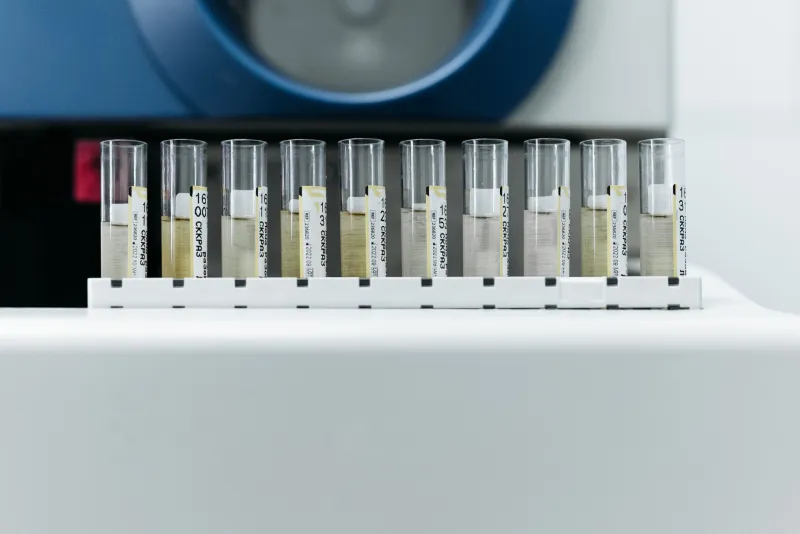
A certificate of analysis is a batch-level document. It should identify the sample, the batch code, the laboratory, the methods used and the results. For a CBD product, the useful COA will include a cannabinoid profile, THC content, and contaminant screens relevant to the matrix. It may also confirm that the laboratory's accreditation scope covers the tests in question. None of this is supplied by a cultivation licence. The licence says that a crop was grown under permission; the COA says what was found in a sample of a particular batch. The two documents answer different questions, and both may be needed.
A practical checklist for UK buyers
Use the following sequence when a licence claim appears in a brand's provenance material.
- Identify the licensee. Is the licence holder the brand, the grower, or an intermediary? If it is a grower, ask whether the brand buys from that licensed site and for which season.
- Read the scope. Check the site, period, crop area and conditions stated on the licence or in the supplier's summary. A licence for a previous season is not evidence for the current crop.
- Separate the farm from the product. Treat the licence as evidence about raw material origin only. Ask what other operators processed, extracted, formulated and packed the product.
- Check novel food status independently. Search the FSA register for the product or ingredient and confirm the applicant and authorisation status. Do not accept a licence number in place of a register entry.
- Request a batch-specific COA. Match the batch code on the certificate to the batch code on the product. Check the test date, laboratory identity and whether the tests cover cannabinoids, THC and relevant contaminants.
- Ask about laboratory accreditation. Confirm that the tests on the COA fall within the laboratory's accredited scope, rather than assuming that any laboratory report is equivalent.
- Map the supply chain. A short written chain from grower to processor to extractor to finished product is more informative than a single licence number. Each link should be identifiable.
- Reject category errors. If a supplier answers a product-safety question with a cultivation licence, treat that as a gap in evidence, not a satisfactory answer.
How to ask the question
A useful supplier query is direct: 'Please confirm whether the licence number refers to the grower and site for the hemp used in this batch, and provide the batch COA and novel food register details for the finished product.' That phrasing keeps the licence in its proper place. It does not dismiss the agricultural permission; it asks for the product-level evidence that the permission cannot provide.
For UK buyers, the licence is a starting point in a provenance file, not the file itself. It can support a claim about lawful cultivation. It cannot establish that a CBD product is authorised, tested, or consistently made. Those conclusions require separate documents, checked against the batch in hand.