From Borehole to Bottle: Why Water Deserves a Line on UK Hemp's Quality Ledger
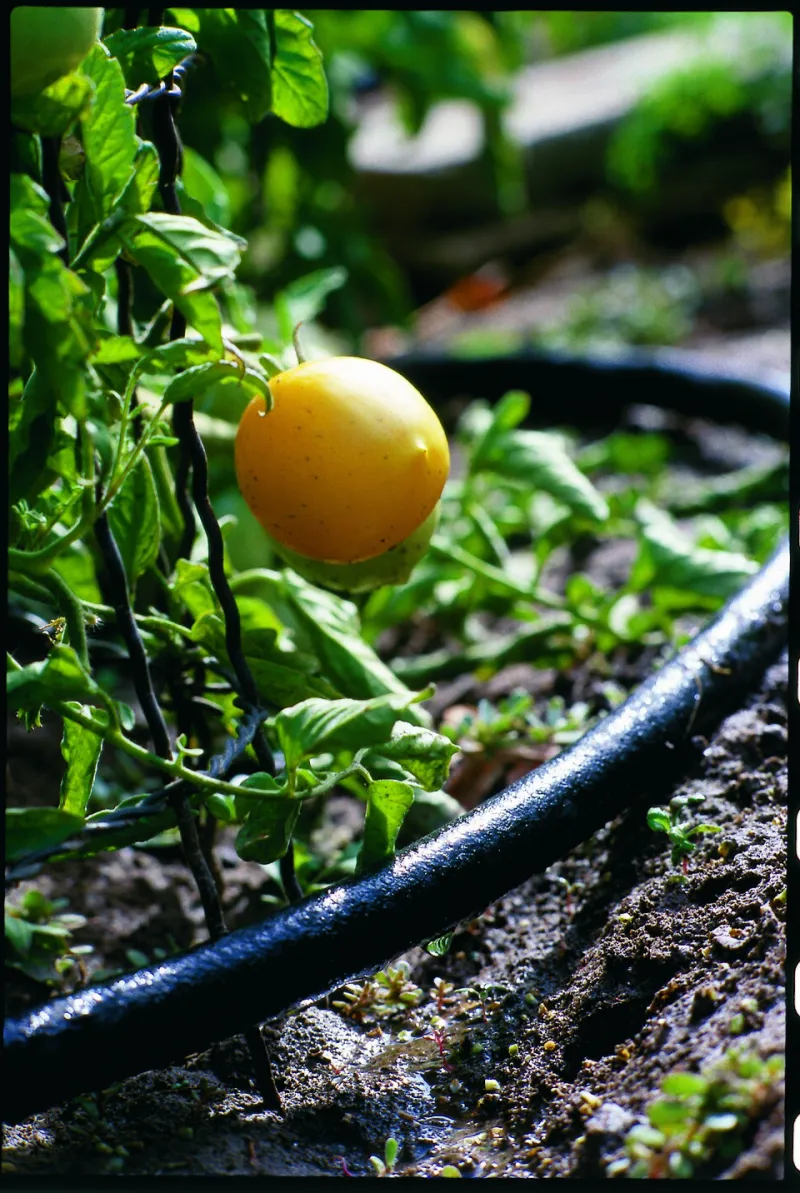
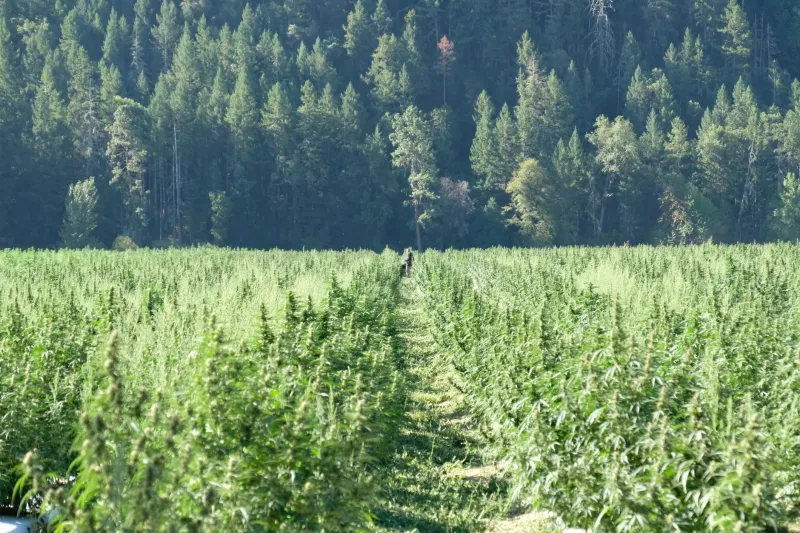
Photo: Photo by Ron Nichols, USDA Natural Resources Conservation Service., Public domain, via Wikimedia Commons
Ask a UK hemp grower what shaped the season and the answer will usually begin with weather and end with soil. Water sits between the two, and it rarely survives into the conversation that reaches the consumer. Yet decisions about where irrigation water comes from, how it is delivered to the plant and what happens to the flower after cutting are among the most consequential in the entire chain. They influence microbial load, the persistence of residues, the behaviour of metals in the root zone and the moisture that remains in the jar months after harvest.
For buyers, the difficulty is structural. A certificate of analysis describes a product; it does not describe a farm. Water records sit on the agricultural side of the ledger, which means they are almost never attached to the paperwork a UK shopper is invited to download.
Where the Water Comes From
UK hemp holdings draw on a small number of sources, and each carries a distinct analytical profile.
Mains supply is the most predictable. It is tested against drinking-water standards before it reaches the site, though the relevant sampling point is the treatment works and the customer tap, not the drip line at the far end of a polytunnel. Distribution pipework, holding tanks and stagnation can all alter what finally emerges.
Boreholes and private supplies are common on larger rural holdings. Their chemistry follows the geology beneath them: hardness, iron and manganese are frequent issues, and depending on the strata there may be naturally elevated concentrations of other elements. Under the Private Water Supplies (England) Regulations 2016, larger or commercial private supplies carry monitoring duties, but the results belong to the farm, not to the retailer.
Surface abstraction from rivers, streams or reservoirs introduces variability by season. Stored rainwater is chemically clean but biologically exposed, and a neglected gutter or an open tank is an efficient collector of organic matter.
A Licence Is Not a Water Test
Abstraction licensing, administered by the Environment Agency, controls how much water may be taken and when. It says nothing about quality. A farm can be entirely compliant on volume and still be irrigating with water whose microbial or mineral profile has never been examined.
This distinction matters because buyers sometimes treat regulatory paperwork as a proxy for testing. It is not. The same caution applies to nitrate-vulnerable zone rules and slurry management requirements: they shape practice, but they are not analytical evidence.
Lines, Tanks and Biofilm
Irrigation infrastructure is a habitat. Warm water standing in a drip line under a polytunnel is an inviting environment for biofilm, and biofilm shelters organisms from the sanitising agents used between crops. A holding tank that is never opened, inspected or cleaned is a similar proposition.
Where a grower can produce a cleaning schedule, records of line flushing and results from periodic water sampling, that is a meaningful signal of operational discipline. Where those records do not exist, the absence is not proof of a problem, but it is an absence.
The Wash Step
Post-harvest washing is the point at which water comes into direct contact with the material that will eventually be inhaled or ingested. Potable water is the baseline. Some operations use chlorinated or ozone-treated water, or peracetic acid systems, to manage microbial load.
Two decisions shape the outcome. The first is whether wash water is recirculated, since recirculation concentrates whatever it has already removed. The second is drying. A wash step without prompt and effective drying simply relocates moisture into the flower, and moisture is the variable most closely associated with mould and mycotoxin development.
Residual sanitiser is a lesser but real consideration: a poorly controlled chlorine dose leaves either an ineffective wash or an avoidable residue.
Moisture and the Storage Window
Once dried and cured, hemp remains hygroscopic. Water activity, rather than water content alone, governs whether micro-organisms can proliferate, and it is water activity that a diligent processor will monitor as material moves into storage.
In the UK, ambient humidity makes this harder than it sounds. A warehouse that is adequate in a dry spring may be unsuitable in a wet autumn, and condensation on packaging or on the inside of a bulk container is a reliable precursor to spoilage. Barrier properties of the final container matter too: a pouch that breathes will allow the contents to track the room.
What a Certificate Usually Omits
Most COAs are silent on water. They report cannabinoid potency, perhaps microbial counts, heavy metals or residues in the finished product, but they do not indicate whether the irrigation source was tested, whether the wash water was potable, or whether water activity was measured at packing. Those are farm-level facts, and farm-level facts travel only when a supplier chooses to make them travel.
Questions Worth Putting in Writing
- Which water sources are used, and are they tested, at what frequency and by which laboratory?
- Are abstraction licence details available for private supplies?
- Is there a documented cleaning and flushing schedule for irrigation lines and tanks?
- What is the source of post-harvest wash water, and is it recirculated?
- Are sanitiser concentrations monitored and recorded?
- How quickly is material dried after washing, and by what method?
- Is water activity measured at packing, and against what limit?
- Are storage conditions monitored for humidity and temperature?
None of these questions is unreasonable, and none requires disclosure of commercially sensitive information. A supplier who understands the chain will have answers ready. A supplier who does not may reveal as much through hesitation as through documentation.
The Quiet Input
Water is not a marketing story. It does not photograph well and it does not fit on a label. But it touches the plant at every stage, and it is the agricultural variable most likely to explain a result that otherwise looks inexplicable. For UK buyers, asking about water is a way of testing whether a supplier's interest in quality extends beyond the bottle and back into the field.