Following the UK Hemp Crop: The Handling Decisions That Reach Your CBD Bottle
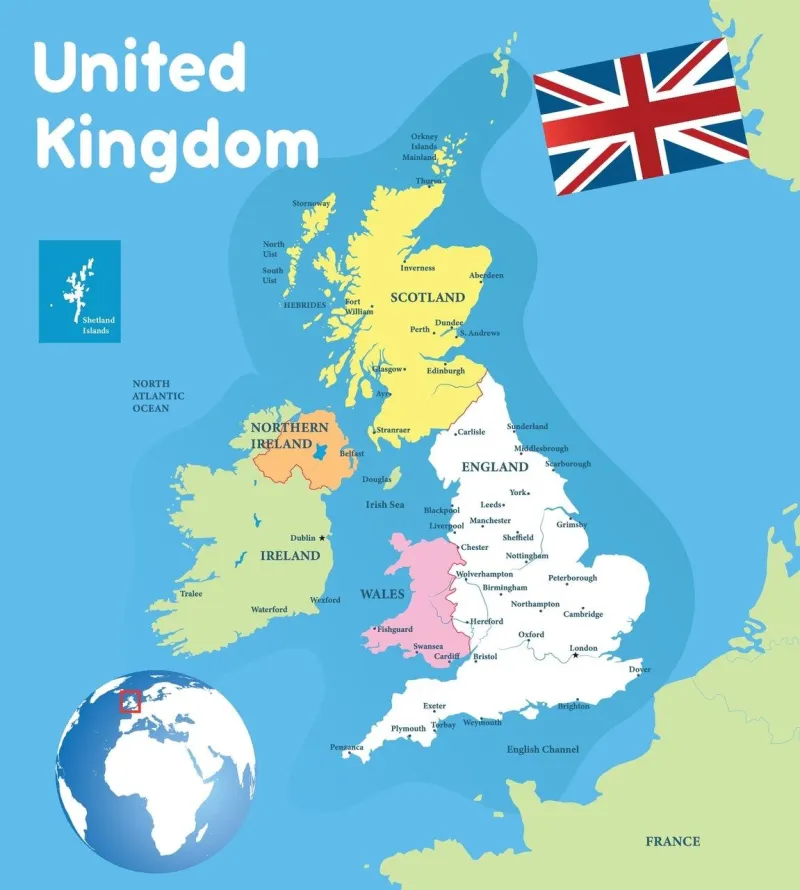
Photo: UK hemp harvest field with drying racks and cannabis flower biomass, via i.pinimg.com
The phrase ‘field to bottle’ is common in CBD marketing, but it describes a chain of decisions rather than a single place of origin. For UK hemp, the final product begins with agricultural choices and continues through drying, storage, milling, extraction and packaging. Each stage can preserve quality or introduce variance. For buyers, the practical question is not whether a brand can tell a pleasant provenance story, but whether it can evidence the handling decisions that sit behind a batch.
As the 2026 UK hemp harvest is processed, it is worth setting out the main control points. None of them guarantees a good product on its own. Together, however, they show whether a supplier is managing biomass as a traceable agricultural material or treating it as an undifferentiated commodity.
Harvest timing and field conditions
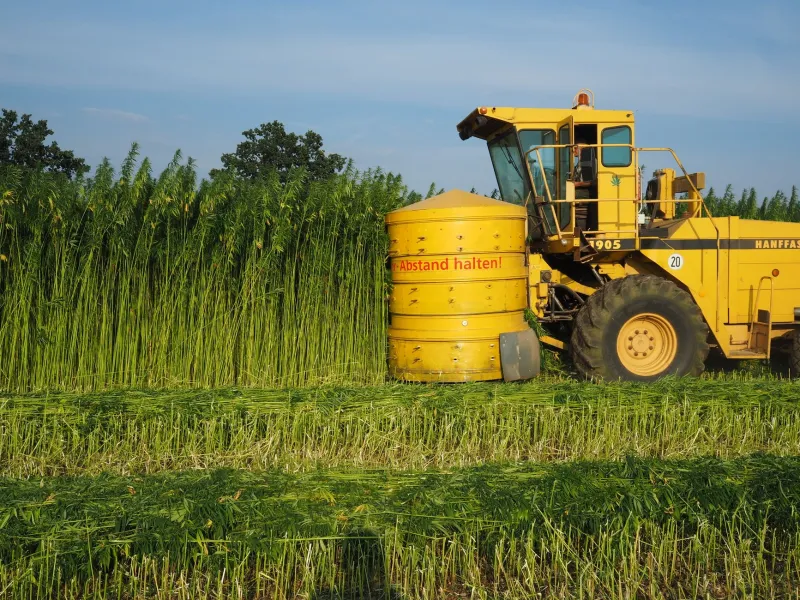
UK hemp is typically harvested in late summer or early autumn, and weather pressure can be significant. The crop may be grown for seed, fibre or flower, and these purposes impose different handling priorities. Flower biomass intended for CBD extraction requires particular care to limit soil contamination, pest damage and unwanted moisture.
Buyers can ask when the crop was harvested, where it was grown and which varieties were used. More useful still is evidence that flower biomass was segregated from other parts of the crop and from different varieties. A single farm name is not the same as batch-level segregation. If a supplier cannot explain how material from different fields or harvest days was kept apart, the traceability claim is weaker than it first appears.
Drying: slow enough to protect, controlled enough to stabilise
Drying is one of the most consequential steps. Material that is dried too slowly, or in humid conditions, risks microbial growth and quality loss. Material that is dried too aggressively may become brittle and difficult to handle, and excessive heat can alter the chemical profile.
A credible supplier should be able to describe the drying method, the target moisture range and how conditions were monitored. Questions about drying temperature, airflow and duration are not overly technical for a buyer to ask. They reveal whether the process was controlled or merely convenient.
Storage and batch segregation
After drying, biomass may be stored before extraction. Storage conditions matter because hemp flower is sensitive to light, heat, oxygen and moisture. Pest control and cleaning procedures also matter, particularly where food-grade or supplement-grade material is being handled.
Batch segregation is central to provenance. If biomass from several harvests is bulked together, a certificate of analysis can still be valid for the resulting lot, but it cannot tell the buyer much about the individual source. Ask how batches are identified, whether storage records are kept and how material is traced from field to extraction. A batch number that appears only at packaging stage is less convincing than one that follows the biomass through the process.
Milling and preparation
Before extraction, biomass is often milled or otherwise prepared to improve contact with the extraction medium. This stage creates opportunities for contamination if equipment is not cleaned between batches, or if particle size is inconsistent. Metal detection, sieving and equipment cleaning records are unglamorous details, but they are part of quality control.
Buyers do not need to inspect a mill. They can, however, ask whether preparation is done in-house or by a third party, how equipment is cleaned between batches and whether foreign-matter controls are documented.
Extraction method and post-processing
Extraction may use supercritical carbon dioxide, ethanol, oils or other methods. No single method is automatically superior; the relevant questions are whether the method is suitable for the intended product, whether solvents are controlled and whether residues are tested. Temperature and pressure conditions, filtration and winterisation steps can all affect the final extract.
A supplier should be able to name the extraction method and explain any post-processing. If ethanol is used, residual solvent testing is relevant. If carbon dioxide is used, the buyer should still expect contaminant testing. The point is not to rank methods by reputation, but to check that the chosen method is matched by appropriate testing and consistency controls.
Packaging and stability
Packaging is the last control point, not a cosmetic afterthought. Light and oxygen can degrade cannabinoids over time, and inaccurate batch coding undermines the traceability built earlier. A best-before date should be supported by stability considerations, not merely chosen for convenience.
Ask how the product is protected from light and air, how batch codes link to certificates of analysis and what storage conditions are recommended. The answers should be specific enough to connect the bottle in hand to the biomass that entered the process.
A practical question set for buyers
Before accepting a provenance claim, consider asking:
- Which UK region and harvest period supplied the biomass?
- Was flower biomass segregated by variety, field and harvest date?
- How was the material dried, and what moisture range was targeted?
- How was biomass stored, and are storage records available?
- Is there a batch code that links biomass, extract and finished product?
- Which extraction method was used, and were solvent residues tested?
- Does the certificate of analysis match the batch being sold?
- Which laboratory performed the testing, and is it accredited?
What traceability should mean
Traceability is not a narrative about rolling fields; it is a record of custody and control. A UK-grown origin claim is worth more when it is supported by batch segregation, documented handling and testing that matches the product in question. Buyers should treat the field-to-bottle journey as a series of checkpoints, and judge claims by the evidence offered at each one.