A Grower's Season, a Buyer's Evidence: The 2026 UK Hemp Crop in Review
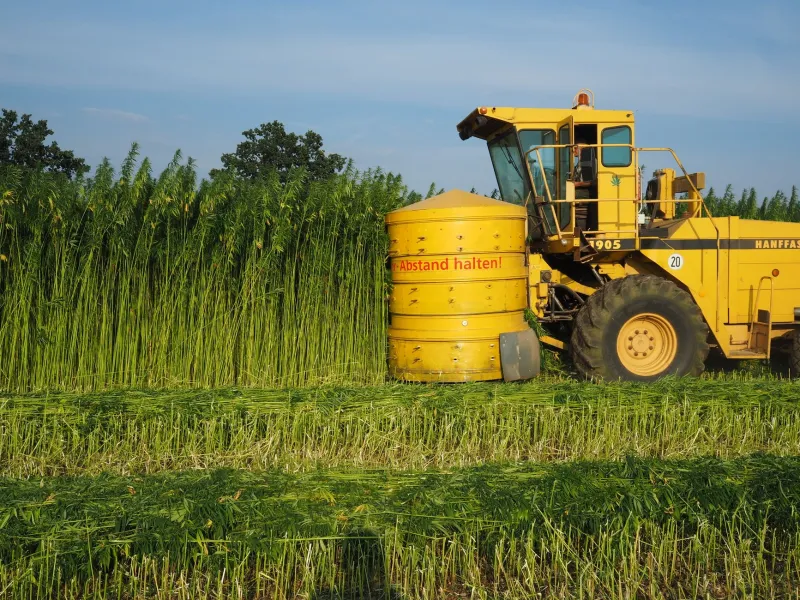
The UK hemp harvest is rarely a uniform story, and the 2026 season is no exception. Across the main outdoor growing areas — from East Anglia and the South East to the South West, the Midlands and parts of Yorkshire — growers have reported a season that began with too much water, shifted into a warmer and occasionally bright summer, and finished with the usual anxiety about mould, dry-down and harvest timing. For CBD buyers, the agricultural consequences matter. Weather affects not only how much flower a field produces but also the cannabinoid profile that reaches a laboratory sample, and therefore the batch-level evidence behind a finished product.
A season of two halves
Spring 2026 was, in many districts, wetter than growers would have chosen. Waterlogged seedbeds delayed drilling and slowed early establishment. Hemp is a resilient crop, but it is not indifferent to saturated roots. Young plants that sit in cold, wet soil tend to develop shallower root systems and more variable stands. That variability can persist through the season, producing fields where some plants mature ahead of others and where harvest timing becomes a compromise rather than a clean decision.
By contrast, the summer brought useful warmth and, in several areas, longer spells of sunlight than the spring had promised. Light is central to cannabinoid development in hemp, particularly during flowering. A bright, warm July and August can support good flower mass, but the benefit is not automatic. Day length, night temperature, water availability and plant nutrition all interact. A hot, dry spell may concentrate compounds in smaller flowers, while a wet, humid spell raises the risk of botrytis and other moulds. Neither outcome is simply 'better' for CBD potency; both change the crop that processors receive.
Regional variation has been significant. Growers in drier eastern districts may have welcomed the summer sun but worried about irrigation and soil moisture. Those in wetter western areas may have had stronger vegetative growth but greater disease pressure. This is why a single national sentence about 'the 2026 harvest' is of limited use to buyers. The meaningful unit is the batch, not the year.
How weather influences cannabinoid development
CBD potency in hemp is not a fixed characteristic of a variety. It is the result of genetics, environment and maturity. During flowering, cannabinoids accumulate in the resinous trichomes on the female flower. Light intensity, temperature, water status and harvest date all influence how far that accumulation proceeds. Stress can sometimes increase concentration in the remaining flower mass, but it can also reduce yield and uniformity. A drought-stressed crop may test higher in CBD on a dry-weight basis while producing far less usable flower. Conversely, a lush, high-yielding crop may test lower because the same cannabinoids are spread across more plant material.
This matters for the 2026 harvest because buyers often treat potency as a single headline number. A product described as containing 10% CBD is not necessarily more effective, or more carefully produced, than one at 8%. The percentage must be read alongside the full cannabinoid profile, the batch yield, the extraction method and the laboratory's limits of quantification. It should also be read alongside THC and THCA results, moisture content and contaminant testing. In the UK, compliance with the industrial hemp THC threshold is a regulatory matter, and a credible certificate of analysis should show the relevant results clearly rather than burying them.
Yield, cost and the price of 2026 harvest CBD
Weather affects price through yield and processing costs as much as through potency. A difficult establishment period, uneven flowering and a humid finish can reduce the proportion of flower that meets a processor's quality standard. Hand harvesting, careful drying and selective processing all cost money. When usable yield falls, the cost per kilogram of finished extract rises, even if the crop's potency is respectable. When yields are strong, the pressure can move the other way, although processing capacity, testing costs and packaging remain fixed overheads.
Buyers should therefore be cautious about assuming that a higher price automatically signals higher quality, or that a lower price signals a poor harvest. Price is a signal to investigate, not a conclusion. A 2026 harvest product should be accompanied by a batch-specific certificate of analysis, a clear harvest or manufacture date, and enough provenance to show where the hemp was grown and how it was processed. Without those markers, a seasonal story is just marketing.
What batch-to-batch variation means for buyers
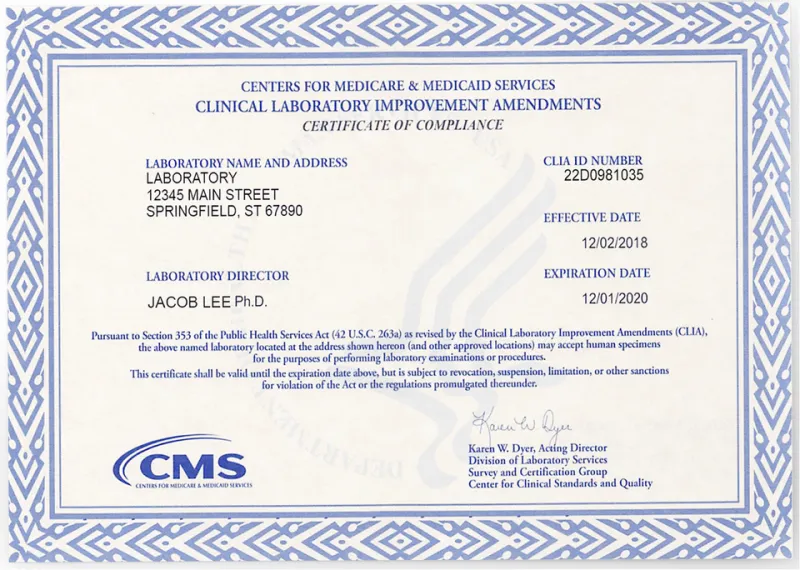
Variation between batches is normal in agricultural products. It is not, by itself, a defect. What matters is whether the variation is measured and disclosed. A producer working with UK hemp should be able to provide a certificate of analysis for the specific batch in the pack, not a generic report for a previous season. The report should identify the sample, the laboratory, the methods used and the results for cannabinoids and contaminants. It should be dated and traceable to the product's batch code.
When comparing 2026 harvest products, buyers can use a simple discipline. First, compare price per milligram of CBD rather than the headline percentage alone. Second, check whether the certificate covers THC, THCA, heavy metals, pesticides, mycotoxins, residual solvents and microbiology. Third, look for a batch code that matches the packaging. Fourth, consider the format: an oil, capsule or hash product may contain the same harvested material but present different testing and dosage questions. Fifth, treat extreme claims with scepticism. A product that promises uniform potency across every batch is making a claim that agricultural production rarely supports.
A measured view of the 2026 season
The 2026 UK hemp harvest is best understood as a reminder of agriculture's variability. A wet spring, a brighter summer and a nervous finish have produced a crop that will differ by region, by farm and by batch. For buyers, that is not a reason to avoid the year's products. It is a reason to ask better questions. Lab-tested, traceable UK hemp gives buyers a way to see the season in the evidence: the cannabinoid profile, the contaminant results and the batch record. At CBD Produce, our interest is in that evidence, not in a simplified harvest narrative.