Twelve Straight Questions That Separate UK Hemp Provenance from Packaging
Photo: UK hemp farmer holding hemp stalk in field with notebook, formal documentary style, via i.pinimg.com
Provenance in UK hemp is not a decorative claim. It is a chain of answers, each of which should connect a finished product to a field, a harvest, an extraction run and a laboratory result. Buyers do not need to become agronomists to ask sensible questions, but they do need to recognise when a reply is specific and when it is merely atmospheric.
Why the label is the beginning, not the evidence
A flag, a rural photograph and the word natural are not evidence of UK production. Nor is a farm name printed without a county, a harvest year or a batch code. The useful test is whether a retailer or grower can answer the same questions consistently across a product range, and whether those answers can be checked against documentation. The twelve questions below are designed for that purpose. They apply equally to a conversation at a farm gate, an email to a retailer and a product page that invites scrutiny.
The twelve questions
1. Which cultivar is used, and why was it chosen?
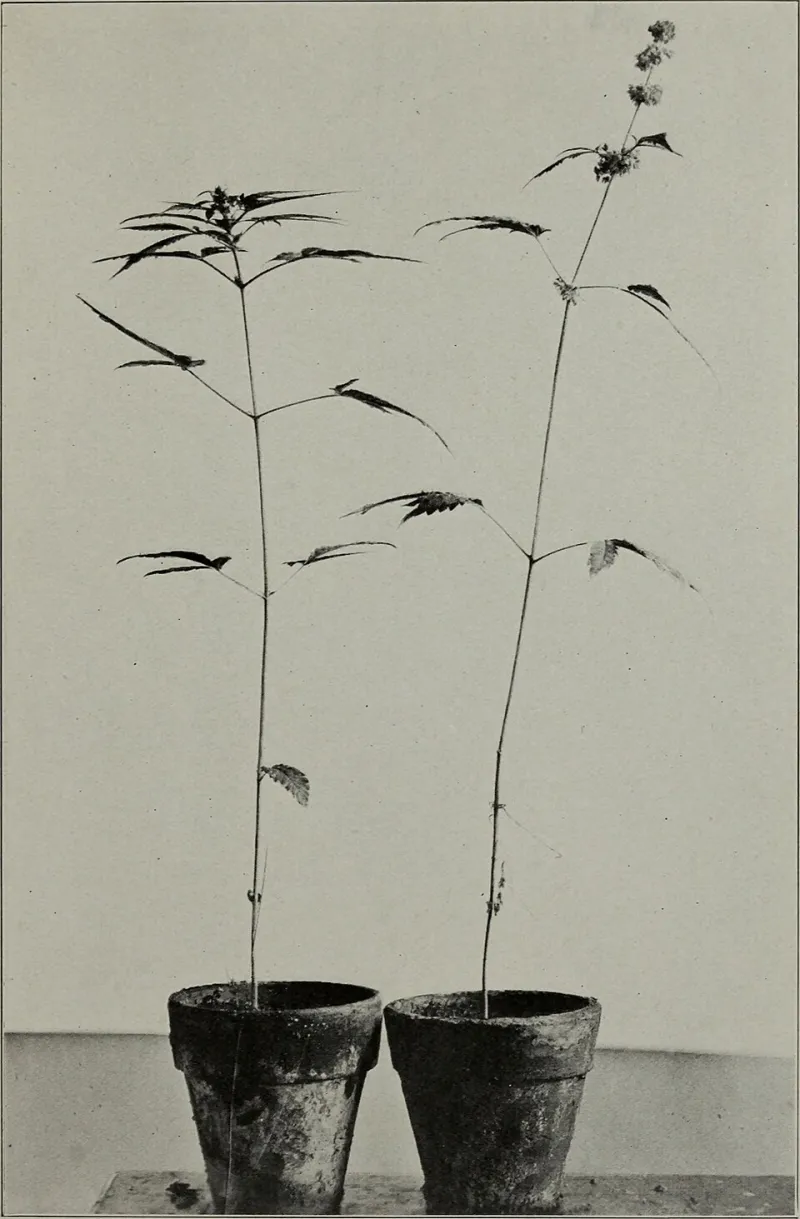
A convincing answer names the cultivar or breeding line, explains its suitability for the UK climate and, where relevant, notes its cannabinoid profile. An evasive answer relies on phrases such as premium hemp or specialist strain without naming anything. Cultivar matters because it affects harvest timing, cannabinoid content and the consistency of later batches.
2. In which county was the hemp grown?
A good answer gives a county and, ideally, a farm or producer group that can be independently identified. An evasive answer offers a broad region such as the British countryside or says only that the hemp is UK-grown. County-level detail is a minimum for meaningful traceability, not an unreasonable demand.
3. When was the crop harvested?
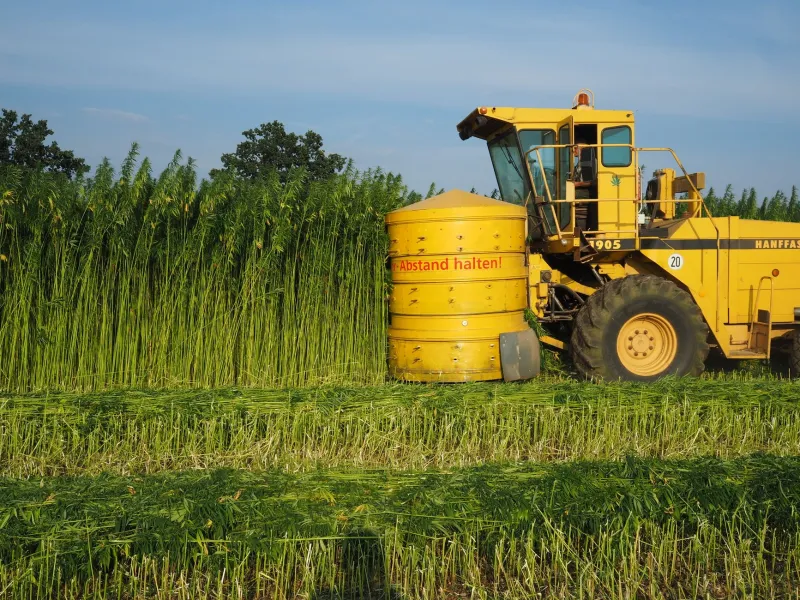
A substantive reply gives a month and year, and may add whether the crop was harvested for seed, fibre or floral material. An evasive reply says only that the product is fresh or from the latest crop. Harvest date is central to shelf-life expectations and to comparing one batch with another.
4. How was the material dried and stored before extraction?
A good answer describes drying conditions and storage in general terms, such as controlled drying and dark, cool storage. An evasive answer treats post-harvest handling as irrelevant. For hemp, drying and storage affect quality, so a producer should be able to describe the basic approach without disclosing commercial secrets.
5. Which extraction method was used?
A convincing answer identifies the method, for example supercritical CO2, ethanol or a food-grade oil infusion, and explains why it suits the product. An evasive answer claims a proprietary process while refusing to say whether a solvent was used. Buyers do not need a full engineering account, but they should know the extraction category.
6. Is there a batch code on the finished product, and what does it link to?
A good answer shows a batch code that connects to a production record and a certificate of analysis. An evasive answer says batches are tracked internally but cannot be matched to the pack. Without a batch link, a laboratory report cannot be assumed to apply to the product in hand.
7. Which laboratory carried out the testing, and is it independent?
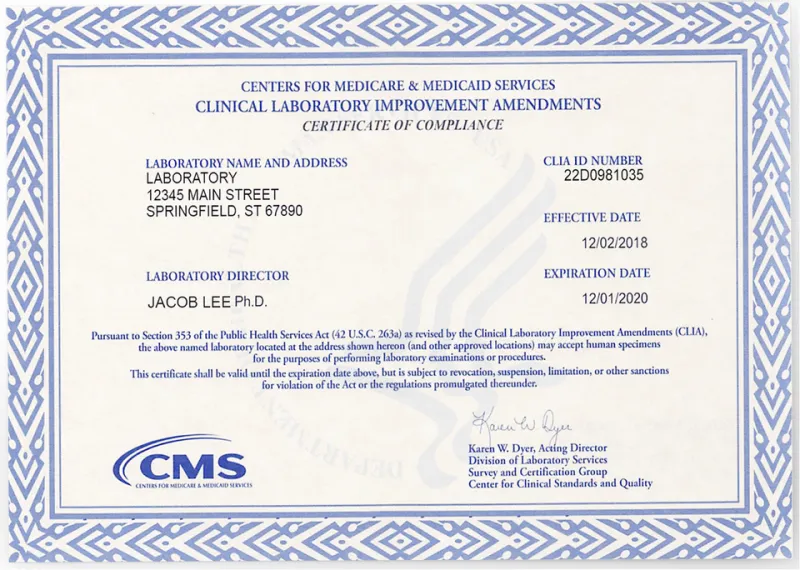
A substantive answer names the laboratory and confirms that it is not owned by the producer or retailer. An evasive answer refers vaguely to lab testing or third-party verification without naming anyone. Independence is not a guarantee of quality, but it is a basic condition for credible testing.
8. Can you provide the full certificate of analysis rather than a summary?
A good answer supplies the full certificate, including methods, results, sample identity and date. An evasive answer offers only a marketing graphic with selected numbers. The full document allows a buyer to see what was tested and what was not, including whether the sample matches the batch.
9. Does the certificate report both CBDA and CBD?
A convincing answer confirms that the laboratory reported acidic and neutral cannabinoids separately. An evasive answer gives only a total cannabinoid figure. Raw and decarboxylated products contain different proportions of CBDA and CBD, so a combined total tells the buyer very little on its own.
10. Which contaminants were screened for, and at what limits?
A good answer lists the relevant screens, such as heavy metals, pesticides, mycotoxins and residual solvents, and states that results are compared with recognised limits. An evasive answer says the product is pure without defining what was tested. The scope of testing is as important as the pass result.
11. How is the product stored, and what shelf life is claimed?
A substantive answer gives storage instructions and a shelf life supported by stability data or a documented rationale. An evasive answer offers a long best-before date with no explanation. CBD products are not immune to degradation, and storage advice should be practical rather than ornamental.
12. Who handles complaints and adverse reports?
A good answer identifies a route for complaints and explains how reports are recorded and reviewed. An evasive answer provides only a generic contact form with no ownership. A producer or retailer that takes provenance seriously should also take post-sale accountability seriously.
What a pattern of answers reveals
No single question is decisive. The value lies in the pattern. A producer who can name a cultivar, a county, a harvest window, an extraction method, a batch code and a laboratory is likely to have a traceable operation. A retailer who can reproduce those details without hesitation is likely to have a genuine supply relationship. By contrast, a string of vague replies suggests that the label is doing more work than the supply chain.
For UK buyers, the practical conclusion is straightforward: ask before you trust. Specific answers are not a guarantee of a good product, but they are the minimum basis for an informed purchase. A flag may signal a marketing intention. A batch code, a county and a certificate of analysis signal a chain of custody.